各位作者、审稿专家:
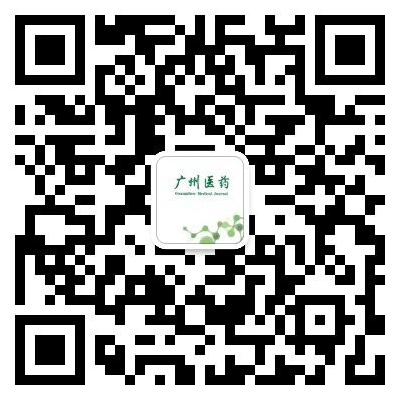
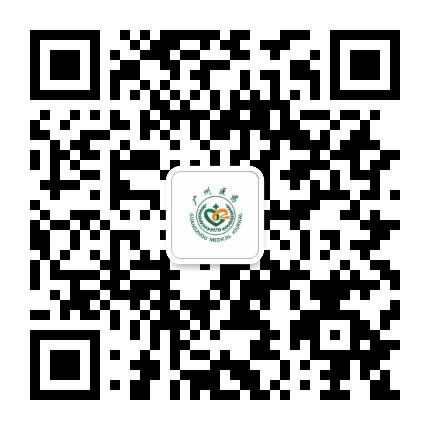
本刊官方微信服务号新增稿件状态查询服务,无需反复登录投稿系统,微信即可随时查看审稿进度、修回通知、录用结果,稿件更新实时推送提醒,同步接收期刊征稿、学术资讯。
微信搜索关注广州医药杂志服务号 → 点击菜单栏「绑定账号」→ 输入投稿邮箱完成账号关联;请关闭微信消息免打扰,避免遗漏稿件通知。
《广州医药》编辑部
随着糖尿病发病率不断攀升,人们逐渐聚焦于糖尿病合并骨质疏松。围绕此疾病,国内外学者开展了广泛而深入的研究,临床实践聚焦于两点:糖尿病的精准治疗和骨质疏松的有效干预。在确保血糖稳定的基础上,致力于抑制骨吸收、促进骨形成。在此治疗理念指导下,临床医生应当更加全面了解血糖管理与抗骨质疏松药物的作用机制并合理应用,更大程度改善患者的临床症状及预后。然而,药物作用机制复杂,联合应用存在潜在药物相互作用问题。未来研究方向包括探索更安全有效的联合治疗方案,更加精确化地治疗以提高临床疗效。文章分析了降糖药物及抗骨质疏松药物对疾病的疗效,并展望未来的研究方向,旨在为临床实践提供更为深刻与全面的指导。
As the incidence of diabetes mellitus continues to rise,people are also gradually focusing on diabetes mellitus combined with osteoporosis,which puts patients at a higher risk of fragility fracture.Scholars at home and abroad have conducted extensive and in-depth research around this condition,and clinical practice has focused on two points:first,the precise treatment of diabetes,and second,the effective intervention of osteoporosis.On the basis of ensuring blood glucose stabilization,we are committed to inhibiting bone resorption and promoting bone formation.Under the guidance of this therapeutic concept,we should have a more comprehensive understanding of the mechanism of action of blood glucose management and anti-osteoporosis drugs and apply them rationally,aiming to improve the clinical symptoms and prognosis of patients to a greater extent through dual intervention.However,the mechanism of action of different drugs is complex,and there are potential drug-drug interactions and safety issues associated with their combined use.Future research directions should include exploring safer and more effective combination therapies,developing novel drugs,and more precise and individualized treatments to improve clinical efficacy.This article analyzes the efficacy of glucose-lowering drugs and anti-osteoporosis drugs on the disease and looks forward to future research directions,aiming to provide more profound and comprehensive guidance for clinical practice.
目的 探讨2型糖尿病(T2DM)睡眠障碍患者使用经颅微电流刺激(CES)联合自我穴位按摩干预的效果。方法 使用随机数表法将南昌大学第二附属医院2022年6月—2023年1月收治的T2DM合并睡眠障碍患者100例分为两组,每组各50例。对照组采用CES干预,基于此,观察组加用自我穴位按摩,比较两组临床疗效、睡眠质量及血糖水平。结果 与对照组干预总有效率80.00%(40/50)比较,观察组干预总有效率96.00%(48/50)更高(χ 2 =6.061,P=0.014);两组干预后匹兹堡睡眠质量指数(PSQI)中入睡时间、睡眠效率、催眠药物、睡眠障碍、睡眠时间、主观睡眠质量、日间功能障碍及总分均降低,且观察组[(0.95±0.28)分、(1.05±0.24)分、(0.55±0.14)分、(0.67±0.20)分、(0.92±0.21)分、(0.82±0.20)分、(0.65±0.18)分、(5.61±1.10)分]均低于对照组[(1.42±0.33)分、(1.30±0.33)分、(1.40±0.26)分、(1.14±0.27)分、(1.31±0.30)分、(1.32±0.37)分、(1.22±0.27)分、(9.11±1.26)分](t=7.679、4.332、20.354、9.891、7.531、8.406、12.421、14.797,均P<0.001);两组干预后餐后2 h血糖(2 hPG)、糖化血红蛋白(HbA1c)及空腹血糖(FBG)水平均降低,且观察组2 hPG[(6.14±0.68)mmol/L]、HbA1c[(3.45±0.37)%]、FBG[(5.52±0.48)mmol/L]低于对照组[(7.12±1.25)mmol/L、(4.30±0.34)%、(6.58±0.67)mmol/L](t=4.870、11.961、9.094,均P<0.001)。结论 对T2DM合并睡眠障碍患者使用CES联合自我穴位按摩干预效果满意,可有效提高患者的睡眠质量,调节血糖水平。
目的 分析共同照护模式联合回授法健康教育在2型糖尿病患者中的应用效果。方法 将2023年1月—2023年12月广州市第一人民医院收治 的114例2型糖尿病患者作为此次研究对象,分为研究组(n=57)和对照组(n=57),对照组患者给予常规护理结合健康教育,研究组患者给予共同照护模式联合回授法健康教育,评估两组在培训前及培训后1、3个月的血糖控制情况及糖尿病患者自我管理行为量表(SDSCA)等指标。结果 培训1、3个月后,两组患者的空腹血糖、餐后2 h血糖、糖化血红蛋白均低于培训前,且研究组空腹血糖、餐后2 h血糖、糖化血红蛋白水平均低于对照组(P<0.05)。培训1、3个月后,两组患者的糖尿病患者SDSCA评分高于培训前,且研究组各项评分高于对照组(P<0.05)。重复测量方差分析表明随着时间的推移,患者的血糖控制状况随着不同护理培训策略而得到改善。结论 使用共同照护模式联合回授法健康教育对2型糖尿病患者可以更显著改善血糖控制水平、提高自我管理效能。
Objective To analyze the effect of co-care mode and feedback health education on patients with type 2 diabetes.Methods From January 2023 to December 2023,114 patients with type 2 diabetes admitted to Guangzhou First People’s Hospital were divided into two groups:experimental group(n=57)and control group(n=57).Patients in control group were given routine nursing combined with health education.Patients in study group were given co-care and feedback health education.Before intervention and 1,3 months after intervention,patients’ blood glucose control and diabetic self-management behavior scale(SDSCA)were evaluated.Results After 1 and 3 months of intervention,the fasting blood glucose,2-hour blood glucose and HbA1c of the two groups were significantly lower than those before intervention,and the fasting blood glucose,2-hour blood glucose and HbA1c of the experimental group were significantly lower than those of the control group(P<0.05).After 1 month and 3 months of intervention,the SDSCA scores of diabetic patients in both groups were higher than those before intervention,and the scores of study group were higher than those of control group(P<0.05).Repeated measures analysis of variance indicating that glycemic control improved significantly over time with different nursing training strategies.Conclusions Co-care mode and feedback health education can significantly improve blood glucose control and self-management efficiency in patients with type 2 diabetes.