各位作者、审稿专家:
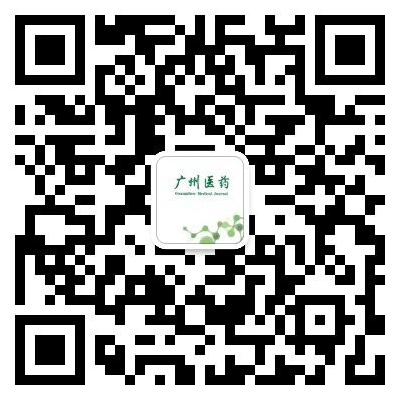
本刊官方微信服务号新增稿件状态查询服务,无需反复登录投稿系统,微信即可随时查看审稿进度、修回通知、录用结果,稿件更新实时推送提醒,同步接收期刊征稿、学术资讯。
微信搜索关注广州医药杂志服务号 → 点击菜单栏「绑定账号」→ 输入投稿邮箱完成账号关联;请关闭微信消息免打扰,避免遗漏稿件通知。
《广州医药》编辑部
目的 深入分析实时动态血糖监测系统(CGMS)在2型糖尿病患者接受胰岛素泵强化治疗过程中的实际应用意义。方法 本研究采用前瞻性随机对照试验设计,收集2025年1月至2026年3月间收治的80名2型糖尿病患者,运用随机数字表法将其随机分配为两组,每组40名患者。对照组患者接受常规指尖血糖检测与胰岛素泵治疗,研究组采用深圳硅基传感公司生产的GS1型动态血糖监测系统辅助胰岛素泵治疗,两组患者的治疗周期均延长至14天。主要观测指标:目标血糖范围内时间占比(TIR,3.9~10.0 mmol/L);次要观测指标:糖化血红蛋白(HbAlc)、空腹血糖(FBG)、餐后2 h血糖(2hPBG)等代谢指标,低血糖发生频率、日内血糖波动幅度(MAGE)、日间血糖平均绝对差(MODD)、血糖高于目标范围时间占比(TAR,>10.0 mmol/L)、血糖低于目标范围时间占比(TBR,<3.9 mmol/L)。结果 治疗14天后,两组患者的血糖指标均较治疗前改善,研究组主要指标TIR(78.65%±8.23%)高于对照组(62.34%±9.56%)(P<0.001);次要指标中,研究组HbAlc、FBG和2hPBG的改善幅度及MAGE、MODD的降低幅度均优于对照组(P<0.05);研究组低血糖发生率(2.5%)、TBR(1.82%±0.95%)低于对照组(20%、5.68%±1.32%),TAR(19.53%±7.81%)低于对照组(31.98%±8.64%)(P<0.05)。研究组动态血糖图谱(AGP)显示血糖波动更平稳,峰值与谷值差异缩小,TIR分布更集中。结论 实时动态血糖监测技术通过提供连续、完整的血糖数据,精准捕捉血糖波动规律,为胰岛素泵参数调整提供科学依据,显著提升目标血糖达标时间占比,优化整体血糖控制效果,同时有效降低低血糖事件及血糖偏离目标范围的风险,是2型糖尿病患者胰岛素泵强化治疗的重要辅助手段。
Objective To analyze the practical significance of real-time continuous glucose monitoring system(CGMS) in patients with type 2 diabetes mellitus(T2DM) receiving intensive insulin pump therapy.Methods A prospective randomized controlled trial design was used to collect 80 patients with T2DM from January 2025 to March 2026.The patients were randomly divided into two groups by random number table method,with 40 patients in each group.The patients in the control group received routine fingertip blood glucose detection and insulin pump therapy,while the patients in the study group received insulin pump therapy assisted by GS1 type CGMS produced by Shenzhen Sili-based Sensor company.The treatment period of the two groups was extended to 14 days.Primary outcome measures:time in range(TIR,3.9-10.0 mmol/L);secondary outcomes:hemoglobin A1c(HbAlc),fasting blood glucose(FBG),2-hour postprandial blood glucose(2hPBG),frequency of hypoglycemia,mean amplitude of glycemic excursion(MAGE),mean of daily differences(MODD),time above range(TAR,>10.0 mmol/L) and time below the target range(TBR,<3.9 mmol/L),and other metabolic indicators.Results After 14 days of treatment,the blood glucose indexes of the two groups were significantly improved compared with those before treatment.The main index TIR in the study group(78.65%±8.23%) was significantly higher than that in the control group(62.34%±9.56%)(P<0.001).Among the secondary indexes,the improvement of HbAlc,FBG and 2hPBG and the reduction of MAGE and MODD in the study group were significantly better than those in the control group(P<0.05).The incidence of hypoglycemia(2.5%),TBR(1.82%±0.95%) and TAR(19.53%±7.81%) in the study group were significantly lower than those in the control group(20%,5.68%±1.32%,31.98%±8.64%)(P<0.05).The ambulatory glucose profile(AGP) of the study group showed that blood glucose fluctuation was more stable,the difference between peak and trough was reduced,and TIR distribution was more concentrated.Conclusions Real-time CGMS can accurately capture blood glucose fluctuation by providing continuous and complete blood glucose data,provide scientific basis for insulin pump parameter adjustment,significantly improve the proportion of time to reach the target blood glucose,optimize the overall blood glucose control effect,and effectively reduce the risk of hypoglycemia events and blood glucose deviation from the target range.It is an important auxiliary method for intensive insulin pump therapy in patients with type 2 diabetes.