各位作者、审稿专家:
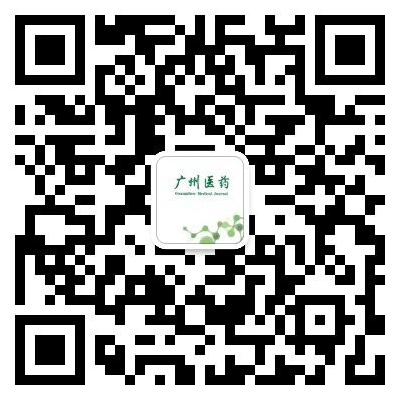
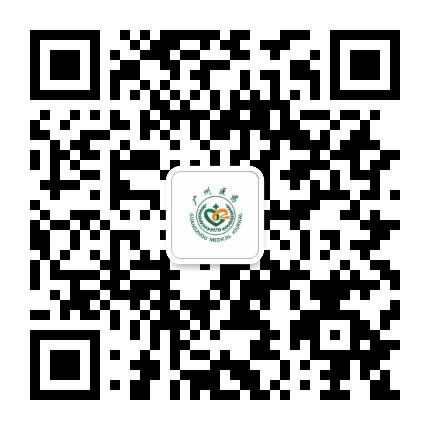
本刊官方微信服务号新增稿件状态查询服务,无需反复登录投稿系统,微信即可随时查看审稿进度、修回通知、录用结果,稿件更新实时推送提醒,同步接收期刊征稿、学术资讯。
微信搜索关注广州医药杂志服务号 → 点击菜单栏「绑定账号」→ 输入投稿邮箱完成账号关联;请关闭微信消息免打扰,避免遗漏稿件通知。
《广州医药》编辑部
目的 本研究以脑卒中患者为研究对象,通过二代Illumina高通量测序平台对患者的粪便标本进行微生物群落多样性测序。选择物种丰度≥30%的24个门类(Phylum)作为肠道菌群的研究指标,进而研究肠道菌群与脑卒后抑郁(PSD)之间的相关关系。方法 以40位脑卒中患者的24个门类作为特征变量,抑郁组和对照组为二分类目标变量,建立以Logistic回归、随机森林、支持向量机和AdaBoost为基模型的Stacking分类模型。主成分分析方法作为该模型的特征选择方法选择恰当的主成分进行模型训练,通过二分类评价报告(precision、recall、f1-score)、ROC曲线和混淆矩阵等评价指标对其性能进行评价。结果 (1)通过差异性检验分析了两组(抑郁组和对照组)的基线一致(P<0.05);(2)从Stacking模型融合的角度定量分析了影响脑卒中后抑郁情绪的具体肠道菌群。研究结果可知,放线菌门、拟杆菌门、变形菌门和酸杆菌门在PSD患者中均增加(P<0.001);厚壁菌门,疣微菌门,绿弯菌门和软壁菌门在PSD患者中降低(P<0.001)。结论 以上菌群是影响脑卒中后抑郁患者情绪的主要影响因素,因此,在临床上通过恰当干预肠道菌群的变化来调节脑卒中后抑郁患者的抑郁水平,这为脑卒中后抑郁情绪的诊断和治疗方案提供科学依据。
Objective In this study,patients with stroke were selected as the research object,and the microbial community diversity of patients’ stool samples was sequenced by the second-generation Illumina high-throughput sequencing platform.Twenty four phylum species with 30% species abundance were selected as indicators for the study of gut microbiota,and then the correlation between gut microbiota and post-stroke depression(PSD) was studied.Methods Taking 24 categories of 40 stroke patients as characteristic variables,depression group and control group as dichotomous target variables,a stacking classification model based on Logistic regression,random forest,support vector machine and AdaBoost was established.As the feature selection method of the model,principal component analysis selects the appropriate principal components for model training,and evaluates its performance through dichotomous evaluation reports(precision,recall,f1 score),ROC curve and confusion matrix.Results The baseline of the two groups(depression group and control group)was consistent(P<0.05)through the difference test.From the perspective of stacking model fusion,the specific intestinal flora affecting post-stroke depression was quantitatively analyzed.The results showed that Actinobacteria,Bacteroidetes,Proteobacteria and Acidobacteria were significantly increased in PSD patients(P<0.001),while Firmicutes,Verrucomicrobia,Chloroflexi and Tenericutes were significantly decreased in PSD patients(P<0.001).Conclusions The above microbiota are the main factors affecting the mood of patients with post-stroke depression.Therefore,in clinical practice,we can adjust the depression level of patients with post-stroke depression by properly intervening the changes of intestinal microbiota,which provides a scientific basis for the diagnosis and treatment of PSD.