各位作者、审稿专家:
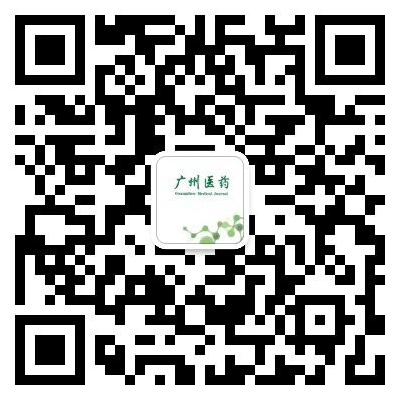
本刊官方微信服务号新增稿件状态查询服务,无需反复登录投稿系统,微信即可随时查看审稿进度、修回通知、录用结果,稿件更新实时推送提醒,同步接收期刊征稿、学术资讯。
微信搜索关注广州医药杂志服务号 → 点击菜单栏「绑定账号」→ 输入投稿邮箱完成账号关联;请关闭微信消息免打扰,避免遗漏稿件通知。
《广州医药》编辑部
经颅磁刺激(TMS)作为一种新兴的非侵入性的神经调控技术,具有安全无痛、操作简单等优点,日益广泛应用于神经康复各领域。本文基于近年来发表的TMS治疗神经系统疾病的研究成果,对TMS在脑卒中后运动障碍、认知障碍和吞咽障碍、脊髓损伤、帕金森、抑郁症中的应用现状和可能机制进行综述。并对当前TMS在神经康复应用中存在的不足和应用前景进行简要总结,以期为TMS在临床和科研中的应用提供理论依据。
Transcranial magnetic stimulation (TMS), as a new non-invasive neuromodulation technique, has the advantages of safety, painless and simple operation, and has been widely used in various fields of neurological rehabilitation. Based on the research results of TMS in the treatment of neurological diseases in recent years, this paper reviewed the application status and possible mechanisms of TMS in the treatment of poststroke dyskinesia and cognitive impairment, spinal cord injury, Parkinson's disease and depressive disorder. The deficiencies and application prospects of TMS in the application of neurological rehabilitation were briefly summarized in order to provide theoretical basis for the application of TMS in clinical and scientific research.